
Postoperative Lymphatic Drainage in Zurich
Careful, gentle support after surgery to help reduce swelling, support lymph flow and make recovery more comfortable.
Postoperative Lymphatic Drainage
Why postoperative lymphatic drainage is important
After surgery, the body needs time and support to clear excess fluid and settle inflammation. In the early phase, tissue can feel tight, swollen, heavy, uncomfortable or uneven. Gentle manual lymphatic drainage may help:
- support the natural movement of lymphatic fluid
- reduce postoperative swelling and fluid retention
- ease the feeling of tightness and tissue congestion
- support comfort during recovery
- complement compression garments and standard aftercare
- support a smoother transition through the recovery process
Manual lymphatic drainage should be gentle in the early phase and must never replace your surgeon’s instructions or medical follow-up. Compression and aftercare remain a key part of recovery after many procedures.
Who is this treatment for?
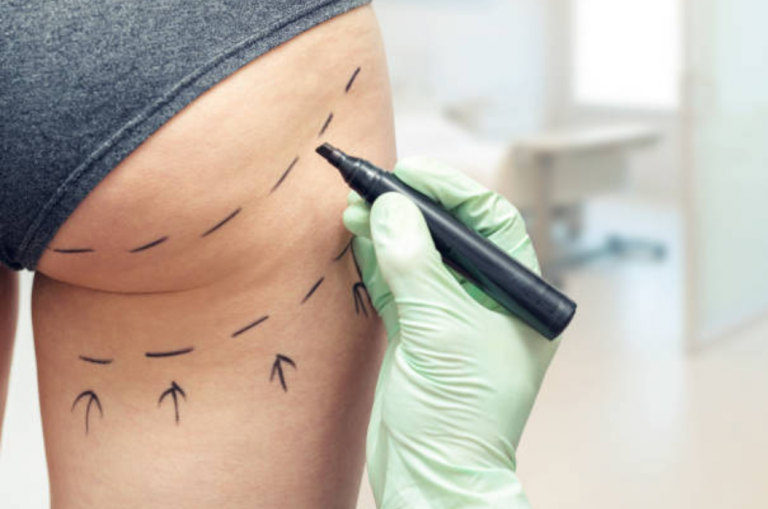
Post-op lymphatic drainage may be helpful after procedures such as:
- liposuction
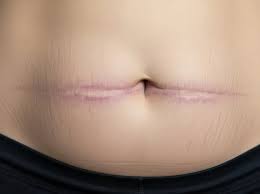
- tummy tuck / abdominoplasty
- body contouring procedures
- arm lift
- thigh lift
- breast surgery, depending on medical clearance
- other cosmetic procedures where swelling and fluid retention are part of recovery
Your treatment plan depends on the area treated, the extent of surgery, your healing speed, and whether your surgeon recommends lymphatic drainage at your stage.
When can you start?
The exact timing always depends on your surgeon’s recommendation. In many cases, gentle lymphatic drainage may begin around 3 to 5 days after surgery, while some surgeons prefer waiting longer or until the first post-op check. Early treatment must always avoid stress on incisions and should match the actual healing stage. Your uploaded postop notes reflect the same principle: often a short wait, then very gentle work if the surgeon gives the green light.
Typical timeline
- First days after surgery: rest, compression, and surgeon-led aftercare come first
- Around day 3–5: gentle lymphatic drainage may begin if approved
- Week 1–2: treatment may be repeated regularly depending on swelling
- Weeks 2–4: ongoing sessions are often useful while tissue remains congested
- After 1 month: frequency is usually reduced as recovery becomes more stable
This is general guidance, not a fixed rule. Recovery is individual

How long is postoperative treatment usually needed?
There is no universal number. Some clients need only a short early-recovery series, while others benefit from support over several weeks.
In practice, many clients choose:
- 1–2 sessions per week in the early phase
- a shorter intensive series after surgery when swelling is strongest
- then a gradual reduction in frequency as the tissue settles
The needed duration depends on:
- type of surgery
- extent of swelling
- how your body heals
- whether fibrosis or persistent fluid retention develops
- your surgeon’s aftercare plan
Why choose a postoperative bundle?
After surgery, regular support is often more helpful than waiting too long between sessions. The postoperative bundle is designed for clients who want a more consistent recovery plan during the phase when swelling and tissue congestion tend to be strongest.
Instead of thinking in isolated appointments, the bundle supports a more structured approach to healing.
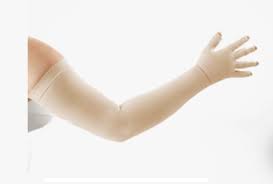
Compression garments matter
Postoperative lymphatic drainage works best as part of a broader recovery plan. For many surgeries, compression garments are an essential part of aftercare because they help manage swelling, support healing tissues, and reduce fluid build-up. The exact type, fit and wearing schedule must come from your surgeon or clinic. Some patients are advised to wear compression continuously at first, then transition later to night-time or reduced use.
Please come to your session in the compression garment recommended by your surgeon unless you were instructed otherwise
What to expect during a session
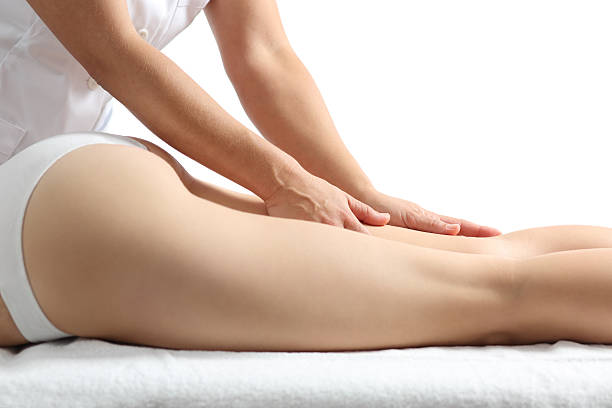
Postoperative lymphatic drainage is not a deep massage. Especially in the early stage, it is light, slow and precise. The focus is on supporting fluid movement without irritating healing tissues.
Treatment is adapted to:
- your surgical area
- your stage of healing
- comfort level
- visible swelling and tissue sensitivity
- medical instructions or restrictions
If anything feels unusual, too painful, or medically concerning, treatment should be paused and reviewed.
Home visits
For clients who cannot comfortably come to the studio in the early recovery phase, home visits are available on Monday, Wednesday and Friday mornings.
Home visits can be especially useful in the first days after surgery, when mobility is limited and getting dressed, travelling or sitting upright for longer can feel too demanding.

Important note

Postoperative lymphatic drainage is a supportive therapy. It does not replace medical care, wound checks, or your surgeon’s postoperative instructions. Treatment is only provided when it is appropriate for your healing stage. If you have unusual pain, sudden swelling, redness, fever, shortness of breath, or any sign of complication, contact your surgeon or medical team immediately.
Contraindications
For your safety, postoperative lymphatic drainage is not performed in the following cases:
- acute infection or fever
- untreated thrombosis
- severe cardiac or kidney conditions
- postoperative complications without medical supervision
Medical clearance may be required in case of recent or complex surgery, cancer, or unusual symptoms.
Need postoperative lymphatic drainage in Zurich?
You are welcome to book a studio session or get in touch to discuss whether a home visit is more suitable in the early phase of recovery.