Manual Lymphatic Drainage in Zurich
Gentle, professional treatment for fluid retention, heavy legs and persistent swelling, and for prevention.
What is Manual Lymphatic Drainage?
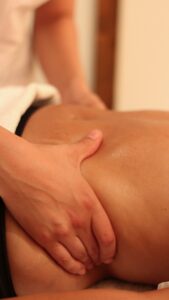
Manual Lymphatic Drainage is a specialised technique that supports the natural function of the lymphatic system. It works not on the muscles but on the lymphatic vessels just beneath the skin. The slow, rhythmic, light movements make the treatment painless and calming.
Who may benefit from Manual Lymph Drainage?
Manual Lymph Drainage in Zurich may be suitable for clients who experience:
- fluid retention
- heavy or tired legs
- mild swelling
- tissue congestion
- a need for gentle lymphatic support
- recovery support after certain procedures, when appropriate
Each session is adapted individually, with attention to contraindications, safety, and the client’s current condition.
What is oedema?
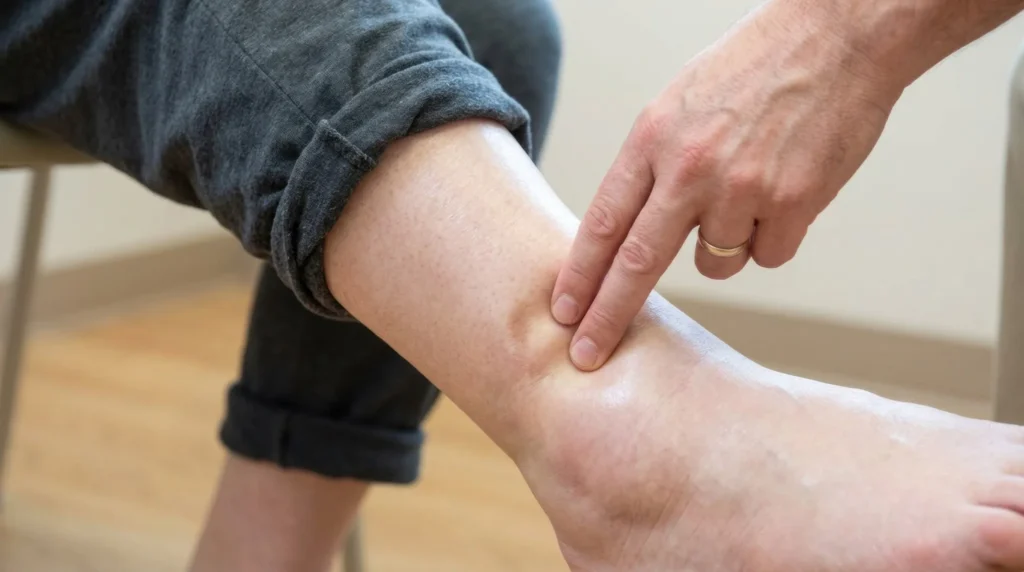
Oedema means more fluid collects in the tissue than the veins and lymphatic system can carry away. Causes include weak veins or lymphatic vessels, surgery, injury, hormonal changes, medication, and heart, kidney or liver disease. A new or unexplained swelling should therefore always be checked by a doctor first.
Phlebo-oedema: when the veins are the cause
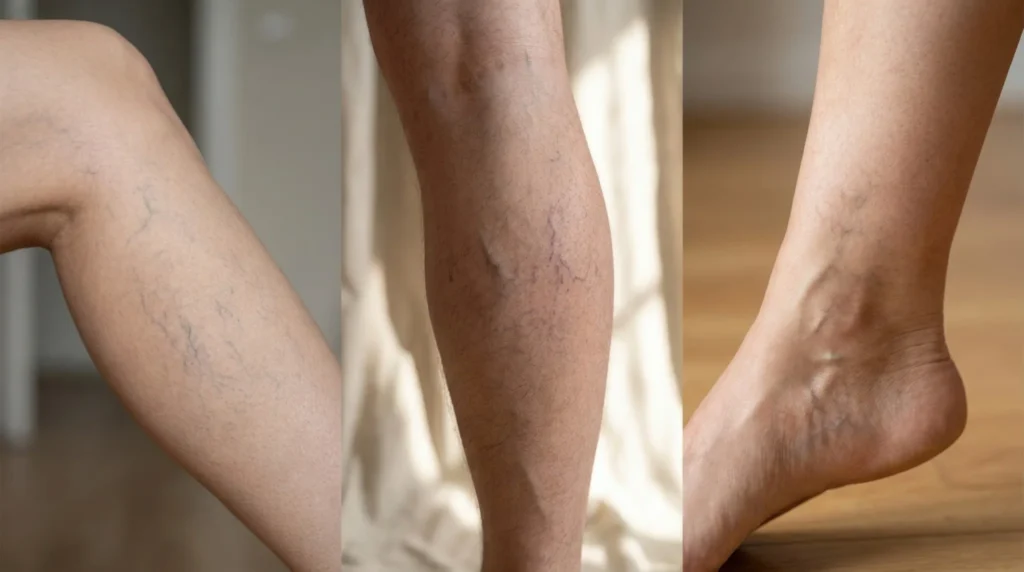
A common cause of swollen legs is phlebo-oedema, or venous oedema. It develops when the vein valves no longer close properly, so pressure rises and more fluid passes into the tissue. The swelling increases towards evening and improves when the legs are raised.
Why is treatment important?
Over time, the overloaded lymphatic system can become exhausted, leading to a mixed form that is harder to treat: phlebolymphoedema. Untreated, the skin can become discoloured and hardened, and a leg ulcer or erysipelas may develop. The earlier treatment begins, the better this can be prevented.
How can it be treated?
The basis is prescribed compression stockings and regular exercise, as the calf muscles pump blood upwards with every step. Manual Lymphatic Drainage complements this by reducing swelling, easing tightness and relieving the lymphatic system.
Machine-assisted and manual lymphatic drainage
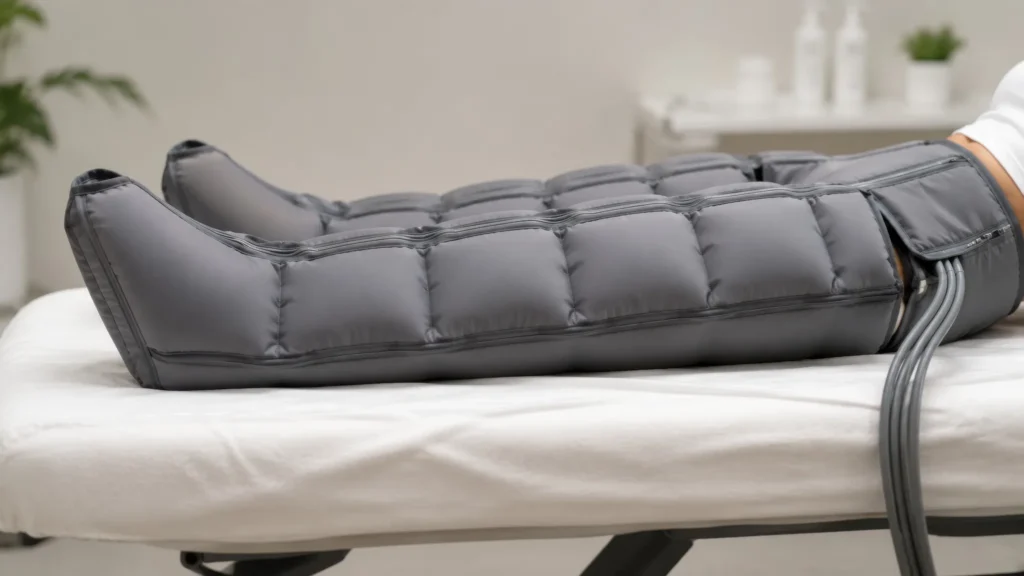
In machine-assisted drainage, a multi-chamber cuff moves fluid upwards in waves. For fluid-rich venous oedema, this is effective support, even at home. However, the device neither stimulates the lymphatic vessels nor prepares the lymph node regions in the neck and trunk where the fluid must drain.
Complement it regularly with Manual Lymphatic Drainage: about once a month when stable, every two weeks when swelling increases. Machine-assisted treatment must not be used with a recent blood clot, untreated heart failure, acute inflammation or severe arterial circulatory disorders.
Preventive lymphatic drainage
Swelling rarely appears overnight. In the early stages, the lymphatic system compensates by working harder than usual, often for years and without obvious symptoms. Heavy legs in the evening, tightness after long periods of sitting or standing, or swollen ankles in summer can be the first signs that it is reaching its limits.
This is exactly when prevention matters most. As explained above in the section on phlebo-oedema, ongoing strain can gradually exhaust the lymphatic vessels and lead to changes that are much harder to reverse. At an early stage, the tissue is still soft and responds well to gentle treatment.
Preventive drainage is suitable for mild or occasional symptoms, for people with a family history of venous problems, and for people whose work keeps them sitting or standing for long hours. Regular sessions relieve the lymphatic system before it becomes overloaded, help reduce the risk of lasting swelling and make it easier to notice changes early. One session every two to four weeks is usually enough, combined with simple tips for exercise and everyday life.
European and Brazilian lymphatic drainage
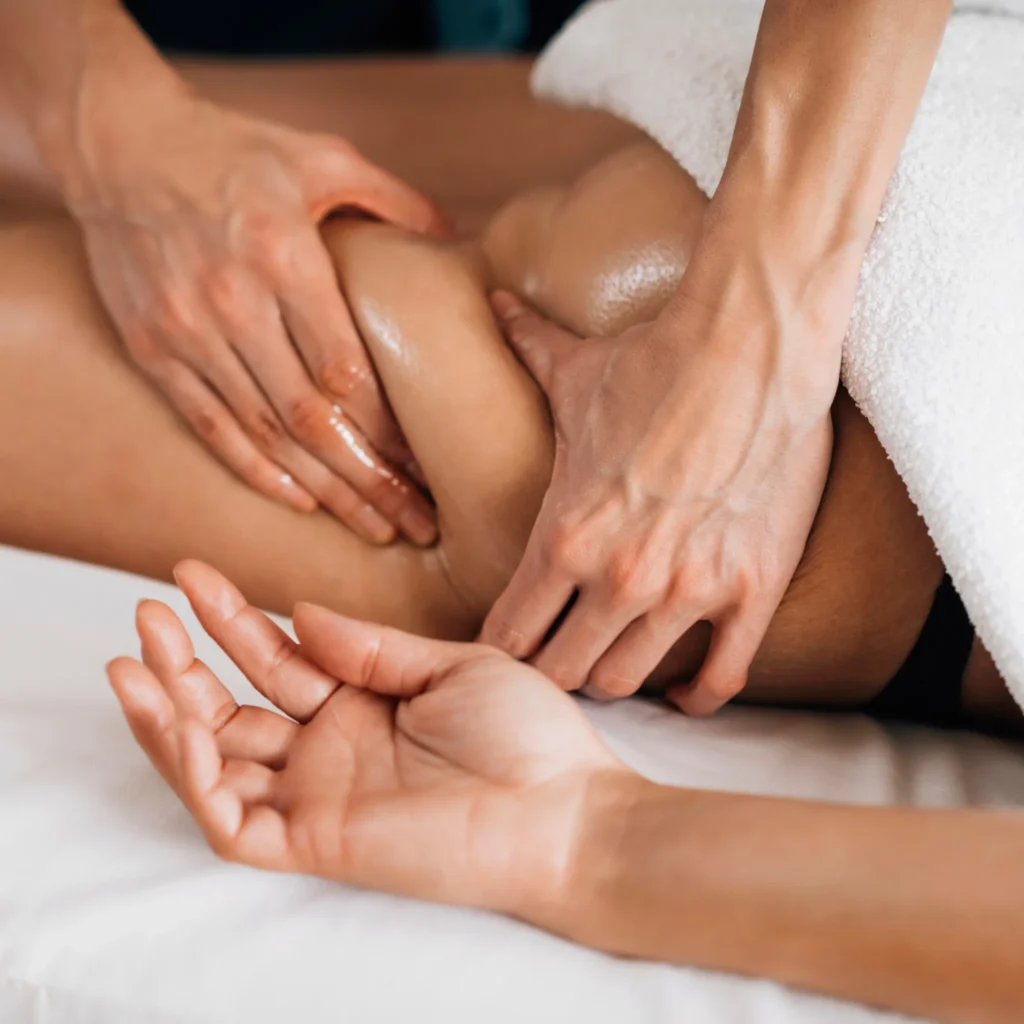
European methods, such as Vodder, Leduc or Földi, are based on medical principles and have a therapeutic aim. The pressure is very light, as strong pressure would compress the lymphatic vessels. Brazilian lymphatic drainage, by contrast, is aesthetic: faster and firmer, aiming for an immediate slimming effect in generally healthy people.
In medical cases, I therefore use European protocols exclusively.
Lipoedema, pregnancy and the time after birth
If fatty tissue increases symmetrically on the legs or arms, is tender to the touch and spares the hands and feet, lipoedema may be the cause. More on the Lipoedema page. Lymphoedema, by contrast, often affects one side, usually involves the hand or foot and is generally painless. More on the Lymphoedema Therapy page.
During pregnancy, after consulting your gynaecologist, I treat especially gently, adapted to your week of pregnancy. Details on the Lymphatic Drainage in Pregnancy page.
After birth, gentle therapeutic drainage first helps remove excess fluid. Once you have recovered well and your postnatal check-up was fine, you may also consider a Brazilian body-contouring treatment. After a caesarean, the scar must be fully healed and your doctor must give approval.
Safety
I do not perform lymphatic drainage with acute infection, fever, acute or suspected thrombosis, acute inflammatory skin disease, decompensated heart failure, severe untreated arterial disorders, or acute kidney- or liver-related oedema.
Cancer, ongoing oncological treatment, pregnancy, autoimmune disease, blood thinners or unexplained swelling require medical clearance first.
With sudden swelling, severe pain, redness, warmth, fever or shortness of breath, please seek medical help immediately.
Costs
As an EMR- and ASCA-recognised therapist, my treatments may be partly or fully covered by supplementary insurance. Please check with your insurer before your first session. For treatment after surgery, see the Postoperative Lymphatic Drainage page.