Touch Of Care

Lymphoedema Therapy in Zurich

Expert, gentle support for primary and secondary lymphoedema, so that everyday life feels lighter again.


What is lymphoedema?

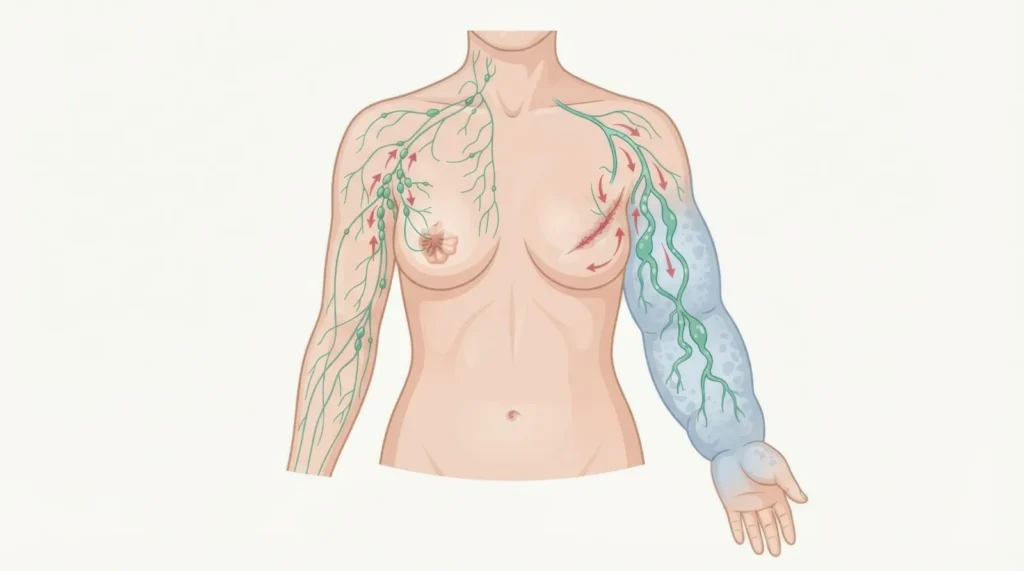
Lymphoedema develops when the lymphatic system can no longer drain tissue fluid adequately. It is a chronic condition, but in many cases it can be well controlled with consistent treatment. The earlier treatment begins, the better.

Medical illustration of a swollen arm with lymphoedema, lymphatic vessels and impaired lymph drainage

Primary and secondary lymphoedema, early signs

Most often an arm or a leg is affected, less frequently the face, neck, chest or genital area.

In primary lymphoedema, the lymphatic system has developed differently from birth. The much more common secondary lymphoedema is caused by damage to the lymphatic vessels, for example after lymph node removal, radiotherapy, injury or infection.

Early signs are often a feeling of tightness or heaviness. Rings or shoes feel tighter, and the swelling no longer goes down completely overnight. The diagnosis is always made by your doctor.

Who is this treatment suitable for?

The therapy can be helpful for both primary and secondary lymphoedema, especially after cancer treatment. In this case, I work in consultation with your medical team.

Common situations

  • arm lymphoedema after breast cancer treatment
  • leg lymphoedema after gynaecological surgery, prostate or melanoma treatment
  • lymphoedema of the head and neck after tumour treatment
  • primary lymphoedema
  • lipo-lymphoedema
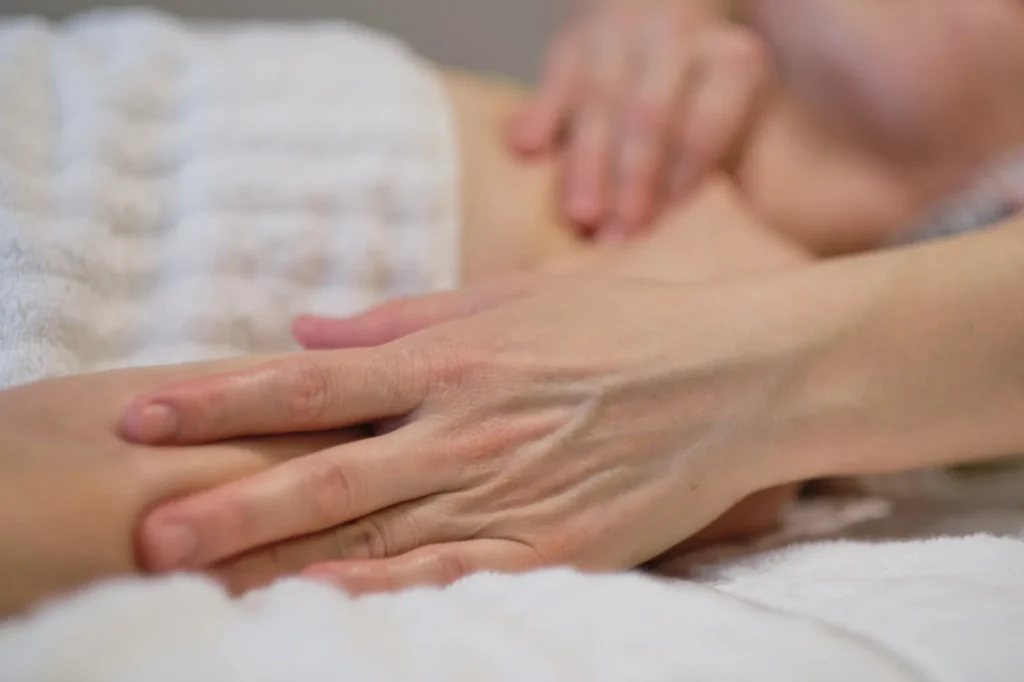
Gentle manual lymphatic drainage on the arm using flat hand movements during a treatment

With a medical diagnosis: Complete Decongestive Therapy (CDT)

If you have a medical diagnosis, treatment follows the concept of Complete Decongestive Therapy according to Földi. CDT is the standard treatment for lymphoedema and consists of an intensive decongestion phase and a long-term maintenance phase.

It is important that you know from the very beginning: CDT is a serious commitment, both in terms of time and finances. During the intensive phase, treatments take place almost daily over several weeks, and a compression bandage is worn for most of the day. With chronic lymphoedema, maintenance therapy usually continues for years

During the intensive decongestion phase, manual lymphatic drainage usually takes place five days a week, mostly once a day, and in more severe cases twice a day. This phase lasts at least two weeks, often two to four weeks, and in severe cases six to eight weeks.

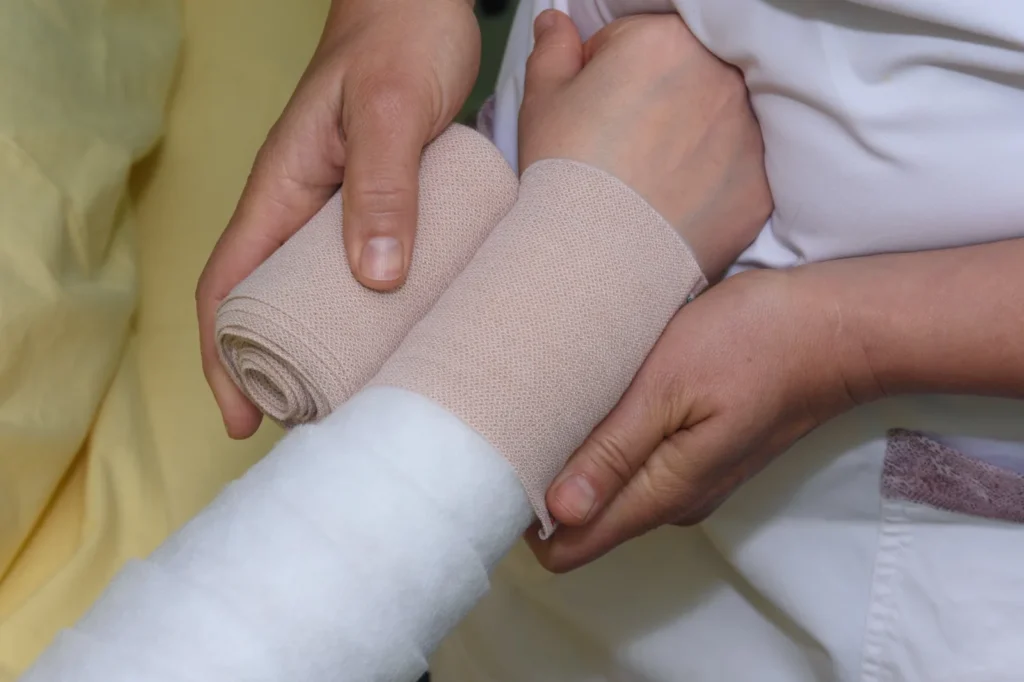
After each treatment, a multi-layer compression bandage with short-stretch bandages is applied. It is worn for about 18 to 22 hours a day and prevents fluid from building up again before the next session. Without this bandage, much of the treatment success would be lost.

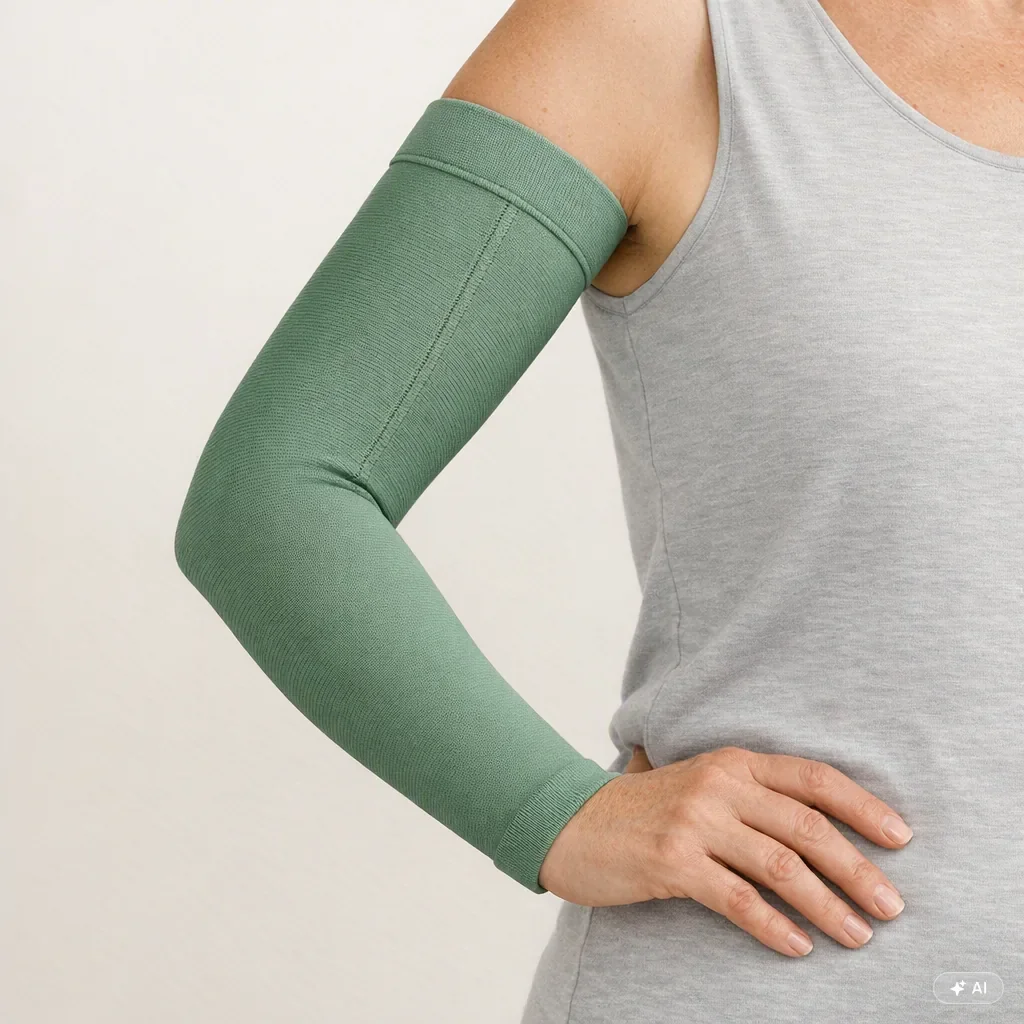
Bandaging continues until the swelling has reached its minimum. Then you will be measured at a medical supply store for flat-knit compression garments, such as a stocking, an arm sleeve or a glove, which follow the exact shape of your body. Until these garments are ready, bandaging continues so that the result achieved is maintained. From then on, the garment is put on after lymphatic drainage and skin care.

Applying a multi-layer compression bandage to the arm as part of lymphoedema therapy

In the maintenance phase, compression garments worn during the day are the central element. They are complemented by skin care, exercise therapy and manual lymphatic drainage, either by a therapist or as self-treatment. If needed, an additional bandage at night may be useful.

The frequency of lymphatic drainage is determined individually. If your condition is stable and well compensated, one session a week or less is often enough. If the swelling increases, the tissue hardens or there is a tendency towards infections, treatment becomes more frequent. With chronic lymphoedema, especially after cancer treatment, maintenance therapy is usually long-term.

Please bring your compression garments to every session so that I can check the fit.

Woman wearing a sage green flat-knit compression arm sleeve for lymphoedema

Costs and insurance

With a doctor’s prescription, lymphatic drainage is covered by basic insurance (Grundversicherung) if it is carried out by a physiotherapist. As an EMR and ASCA accredited therapist, my treatments are covered by supplementary insurance (Zusatzversicherung).

Details on coverage

With a doctor’s prescription, the costs of compression garments and bandaging materials are usually also covered by basic insurance. The deductible (Franchise) and co-payment (Selbstbehalt) apply as usual.

Depending on your insurer, supplementary insurance covers my treatments partially or in full. As the intensive phase of CDT involves many treatments in a short time, it is worth checking with your health insurer in advance how many sessions are covered and up to what amount

Working together with your physiotherapist

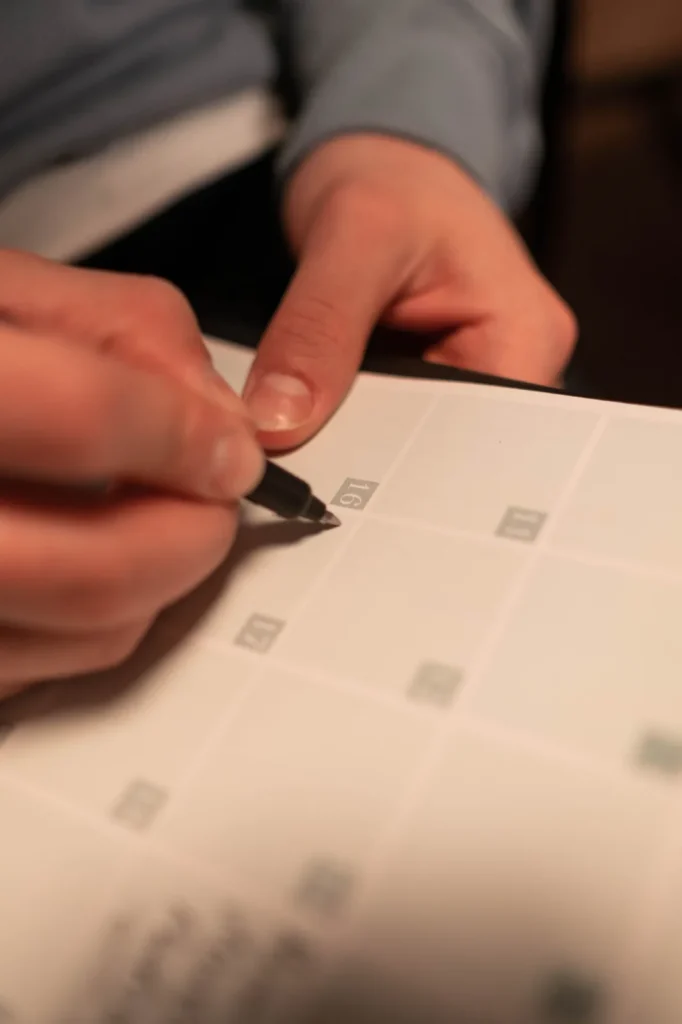
Close-up of a handwritten entry in a calendar

If you are receiving CDT from a physiotherapist, I am happy to help when needed. By prior arrangement, I can take over treatments, for example during holidays. You can also contact me at short notice as a stand-in if I have a free appointment. This way, the intensive phase is not interrupted and the result achieved is maintained.

In the maintenance phase, I am also happy to provide long-term support. As I deliberately take on a limited number of patients, regular appointments planned in advance are easy to arrange with me. Physiotherapists are also welcome to get in touch if they need cover or support.

What you can do yourself

You can do a great deal to help maintain the results of your treatment.

Tips for everyday life

Gentle exercise while wearing compression stimulates lymph flow, for example walking, cycling or swimming. Careful, moisturising skin care protects against small injuries, which in lymphoedema can more easily lead to infections. On request, I can show you simple exercises for self-treatment at home.

Two people walking on a forest path – regular exercise as part of lymphoedema management

What to expect during a session

The treatment is calm, rhythmic and painless, and usually lasts 60 minutes.

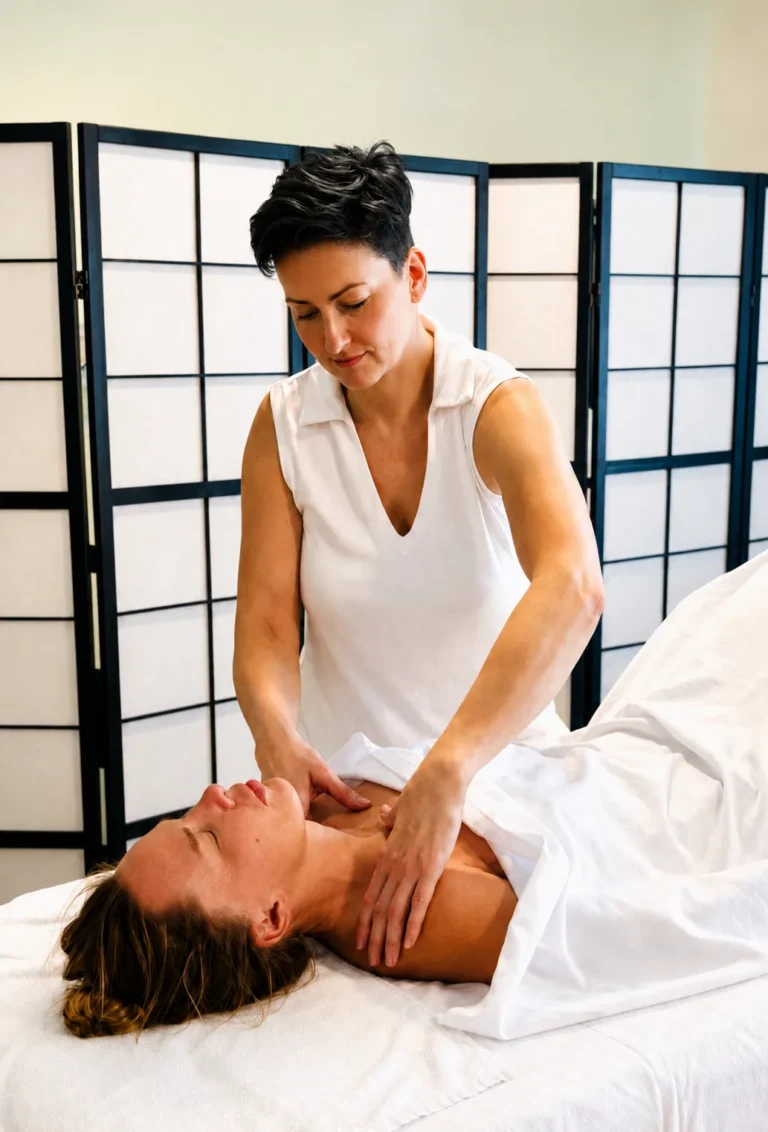
At the first appointment, we discuss your medical history and previous treatment. I assess the tissue and, if needed, measure the circumference so that progress can be tracked. Treatment begins at the neck and trunk and then works towards the swollen area.

During the decongestion phase, appointments take longer because the bandage is applied. Please wear comfortable, loose clothing that fits easily over the bandage

Zsuzsa Gombkötő performing gentle manual lymphatic drainage on the neck and collarbone area of a client lying down in Zurich

Important: recognising erysipelas

Red warning flag on a beach as a symbol for an important warning

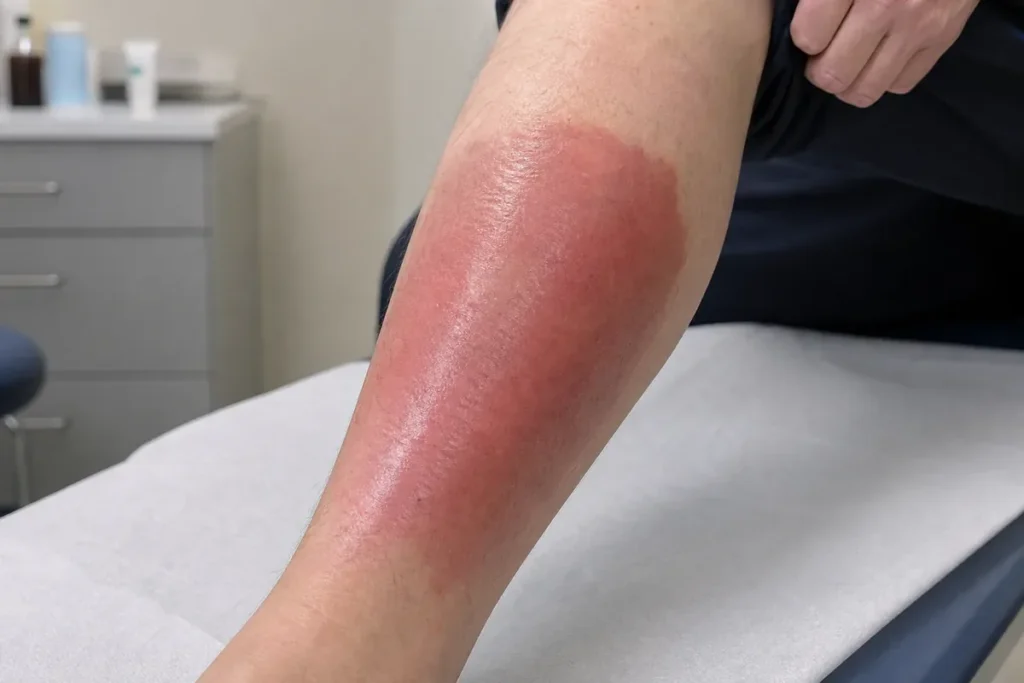
Lymphoedema increases the risk of erysipelas, a bacterial skin infection. Typical signs are sudden, sharply defined redness, warmth, increasing swelling, pain and fever. If you notice these signs, please contact your doctor on the same day. No lymphatic drainage is carried out during an acute infection. Once it has healed, treatment can be resumed in consultation with your doctor.

Erysipelas on the lower leg
Severely reddened and swollen lower leg as an example of erysipelas

Living with lymphoedema in Zurich? Write to me and let me know which area is affected, how long the swelling has been present, and whether you already have a medical diagnosis or a physiotherapist. Together, we will discuss how I can best support you.